A strong hibachi party seating arrangement makes the whole at-home dinner feel easier to host. Before the chef arrives, guests should already know where they will sit, how close they are to the grill, and how the table shape supports both the meal and the show. When the layout works, the dinner feels organized without becoming formal or stiff.
Choose a table shape that gives the chef a clear center point
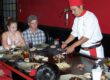
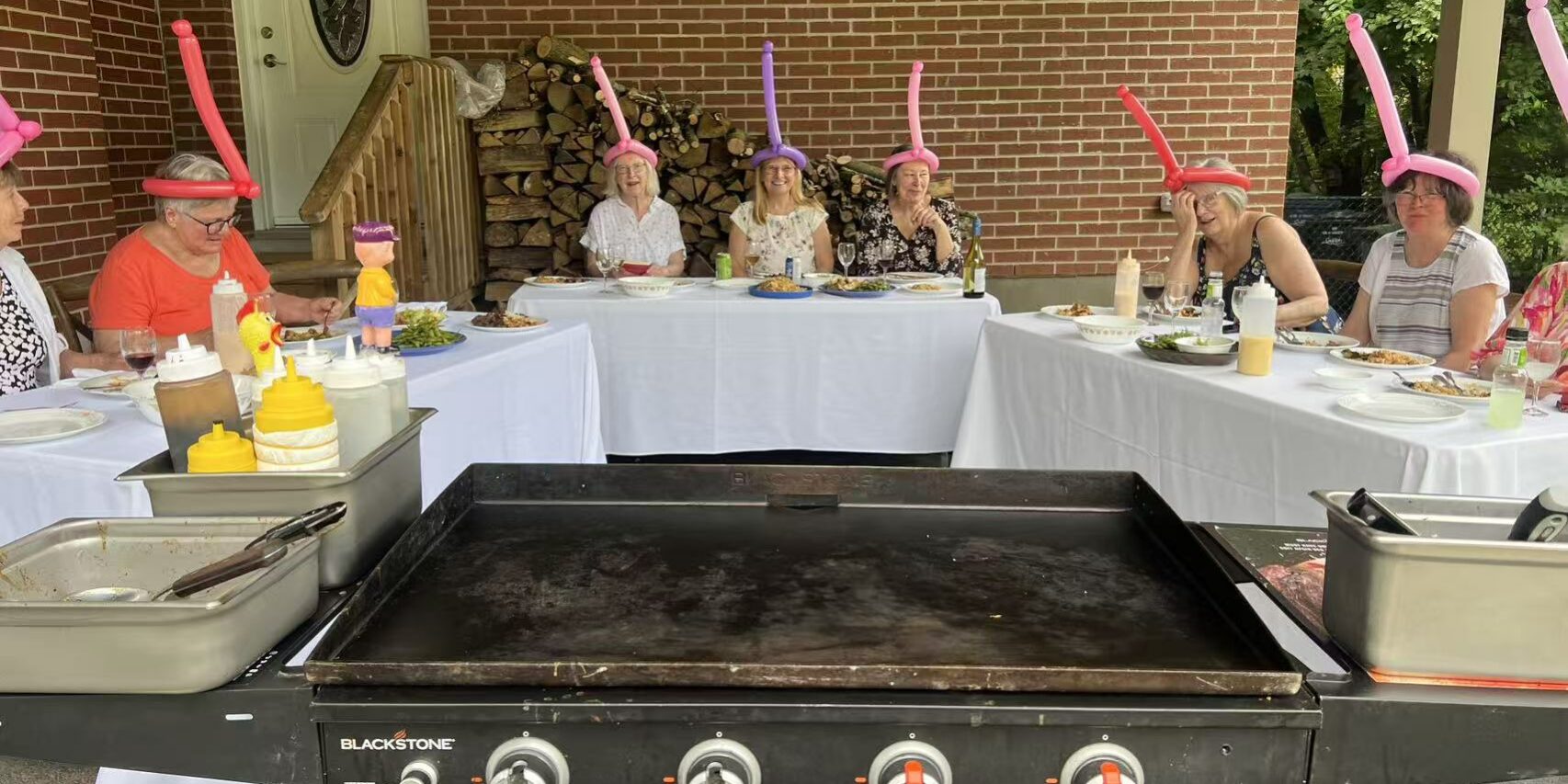
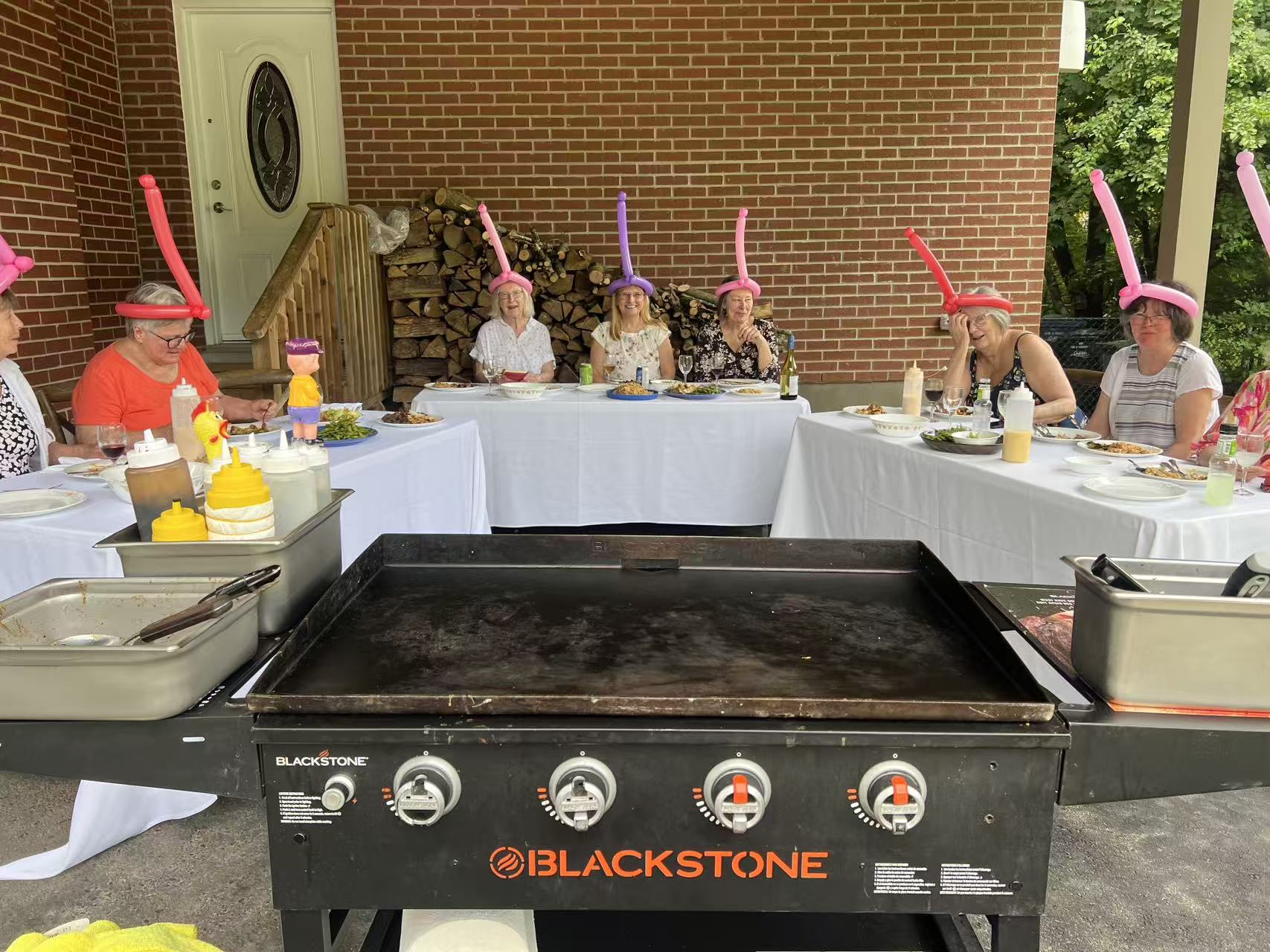
The best seating plan usually starts with the grill area, not the decorations. A U-shape, open rectangle, or two connected banquet tables often works well because guests can see the cooking while the chef still has enough room to move. A tight circle or crowded patio corner may look efficient at first, but it can make serving and cleanup more awkward once the event begins.
Leave enough space between the grill and the first row of chairs
Hosts often focus on how many seats they can fit and forget to leave practical working space around the grill. Your hibachi party seating arrangement should create a clear buffer between the cooking area and guest chairs so the chef can serve comfortably and guests can enjoy the performance without feeling packed in. If you are still narrowing down how many people the setup can handle, read our guide on how many guests you need for a hibachi party at home.
Keep families and kids in spots that are easy to manage
For family events, birthday dinners, and mixed-age groups, seating placement matters as much as seat count. Children usually do best in spots where adults can help them without interrupting the serving path. Guests who may need easier access to drinks, bathrooms, or indoor seating should also be placed where they can move in and out without crossing directly through the cooking zone.
Use one side table or nearby surface for extras instead of crowding the main setup
Drinks, birthday items, gift bags, and dessert plates do not all need to sit on the main dining tables. A cleaner seating layout comes from keeping the eating space focused on the meal while using a nearby side table, patio counter, or indoor surface for everything else. That makes the table easier to set and helps the chef keep the guest area flowing smoothly.
Match the seating plan to the setting
Covered patios, open backyards, garages, and indoor-outdoor spaces all change how the seating should be arranged. A patio with support posts may work better with two straight tables, while a larger backyard can handle a wider U-shape. If you are still deciding whether the setup belongs under a roof or in the open, our covered patio hibachi party setup and indoor vs outdoor hibachi planning guides help narrow that choice.
Think through arrival flow before the first plate is served
The table shape should also support how guests arrive, find seats, and settle in before cooking starts. Leave a clean entry path, avoid blocking doors, and make sure the host is not forcing everyone to squeeze through one corner of the setup. A simple arrival plan often makes the event feel calmer than adding more decorations or extra chairs.
Use the right pages before you finalize the layout
Before the event date, browse the Gallery for real setup inspiration, use the FAQ for common planning questions, and keep the Contact Us page handy if you need to confirm a detail about your home layout. When you are ready to lock in the date, head to Book Online to move from planning into booking.
The best hibachi party seating arrangement keeps the grill central, the guests comfortable, and the flow easy for both the chef and the host. Once the table shape and chair spacing are handled ahead of time, the dinner becomes much simpler to enjoy.